3 Big Restaurant Design Mistakes to Avoid
As a marketing consultant for the food business, I get the opportunity to be involved with the operations of numerous restaurants. Here are the top 3 Big restaurant design mistakes , I have seen many make.
Mistake#1: Allocating less kitchen space. Many owners, to increase revenue, enlarge the dining area and cut kitchen space. This, dear restaurateur, is where troubles begin. Ideally, a restaurant should aim for 40% of its area allocated to the kitchen, and the rest to dining. Here’s why…
- It helps your business survive: For a case study, I was recently involved in researching five small restaurants with an area of about 600 sq. feet (plus some additional outdoor seating). Of these five, the one that had the best seating and decor, didn’t survive beyond 4 months, though it was always packed with patrons.
What led to its downfall? Analyses revealed that only 15% of the overall space was allocated to the kitchen area. This caused avoidable troubles.
- First off, the kitchen was unable to cater to a packed dining area. Due to a decreased kitchen capacity, the speed of production suffered.
- Secondly, in 8 hours the lounge could only serve products of “x” amount of value. This meant that at its maximum serving capacity, the kitchen couldn’t serve all the guests. This place couldn’t be profitable.
- Thirdly, the small kitchen meant high dish breakages from insufficient and improper storage space, causing further losses.
- A small storage space also necessitated the use of processed food items, which could have been easily made at a much lower cost if the kitchen was larger. This further increased the food cost, reducing profitability.
There are more benefits from a large kitchen:
- The staff will have a comfortable work area.
- Bulk orders are easily catered.
- Hygiene standards are easier to maintain.
So remember, allocating less than 30 % of the total space available for your kitchen is a blunder to be avoided at all costs!
Mistake#2: The second Big Restaurant Design Mistake to Avoid is : Poor kitchen equipment selection.
When setting up or expanding your restaurant, you will be tempted to invest in equipment based on the current menu without thinking about long term planning and projection.
To avoid this, first compile a full extended menu with the current list of items. Think of additional menu items that customers may demand, customized event menus and future trends which may compel you to add more items to the menu.
It is not enough to have the menu while deciding the equipment. Equally important is to have standard recipes for each item. This will ensure that you will have planned for all the equipment necessary for the production methods specified in the recipe.
Service methods are also crucial while deciding the equipment list. For instance, you may need an assembly line kind of setup if the menu is predominantly packed combo meals.
So avoid Mistake#2. Do not decide on the equipment and kitchen layout without creating an extended menu after diligent analysis.
In fact, the right steps in deciding the kitchen layout are:
- Selecting the menu and the extended menu
- Deciding on the dispensing method
- Deciding on kitchen equipment
- Designing the kitchen layout
If you follow these steps in the exact sequence, you will ensure that items are served at just the right temperature and time to your patrons.
3. This brings us to the Mistake #3 that most first time restaurateurs fall prey to: Sacrificing commonsense and aesthetics to increase the number of seats.
In their enthusiasm for optimum dining space utilization and profits, many turn a blind eye, to aesthetics and the need for varied seating arrangements. Overkill of symmetry is probably the biggest interior designing goof up.
If a restaurant has around ten tables of the same shape and size throughout the dining area, it creates an industrial canteen’s ambience, rather than a restaurant’s.
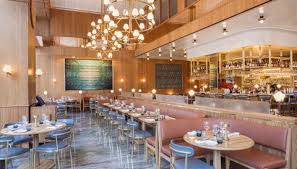
A good restaurant design will have a varied seating plan which would include:
- Tables for two
- Round tables for families
- Rectangular tables to maximize seating.
- Tables that can be joined together to accommodate larger groups.
- A bar counter, or single seating table for solitary guests
A delicate balance is required between aesthetics and revenue management to ensure customer satisfaction and success in the business.
So now that you are aware of the 3 big restaurant design mistakes, I hope you go ahead with setting up your dream restaurant with confidence and courage.
All the Best!
3 more useful Articles on : Restaurant Design

